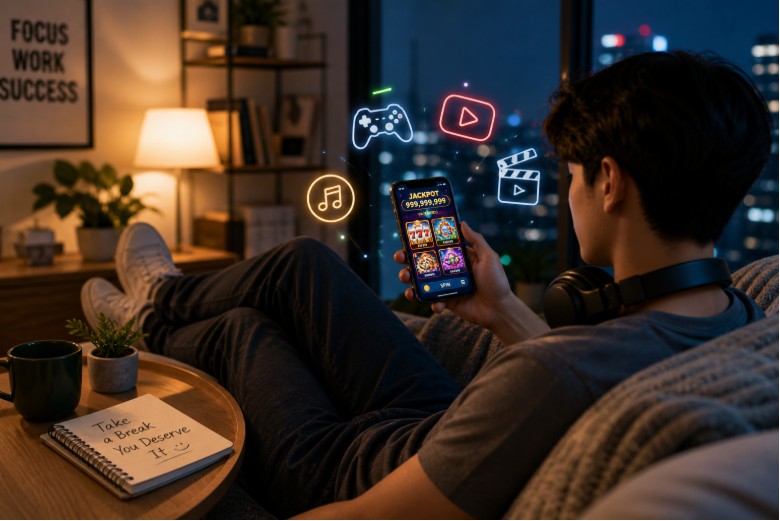
A World That Rarely Slows Down
Modern life moves fast. Deadlines, notifications, responsibilities, and constant connectivity make it difficult for people to truly switch off. In the middle of this nonstop routine, many individuals are searching for small ways to pause—even if just for a few minutes.
This is where digital entertainment steps in. It doesn’t require planning, preparation, or commitment. It simply exists, ready to fill short gaps in the day with moments of distraction, enjoyment, or even relief.
The Rise of “Micro-Break” Culture
Instead of long hours of entertainment like in the past, people today rely on what can be called “micro-breaks.” These are short moments—sometimes only a few minutes—used to reset the mind.
Common examples include:
- Checking a quick video
- Reading short content
- Scrolling through apps
- Trying simple interactive platforms
These micro-breaks are not about deep engagement. They are about instant mental refreshment. Even a few minutes can help people feel less overwhelmed and more focused afterward.
Why Simplicity Matters More Than Ever
One key reason digital platforms are thriving is their simplicity. Users don’t want complicated systems or long waiting times. They want something that works instantly.
This demand has shaped how platforms are designed:
- Fast loading times
- Easy navigation
- Minimal steps to start
- Immediate interaction
Some users are naturally drawn to platforms that offer quick engagement, such as experiences accessed through a link slot gacor, where interaction begins almost instantly without a long setup process.
This type of simplicity aligns perfectly with modern expectations—fast, direct, and effortless.
Digital Habits Are Becoming Personal
Not everyone uses online entertainment in the same way. Some people prefer quiet content like reading or watching calming videos. Others enjoy more interactive or dynamic experiences.
What’s interesting is how personal these habits have become. Over time, users develop their own routines:
- Morning scrolling habits
- Midday breaks with light content
- Evening relaxation with digital platforms
These patterns are shaped by lifestyle, work schedules, and personal preferences. Technology simply adapts to fit into those patterns.
The Influence of a Borderless Internet
Today’s internet is global. Users are constantly exposed to trends, platforms, and conversations from different parts of the world. This creates a shared digital culture where ideas spread quickly.
In certain online discussions, people may encounter platforms described as slot server internasional, reflecting how entertainment options are no longer limited by location. While not everyone actively uses such platforms, their presence in global conversations shows how wide the digital landscape has become.
This exposure encourages curiosity and exploration, allowing users to discover new forms of entertainment beyond their usual habits.
The Psychological Side of Quick Entertainment
Short bursts of entertainment serve a psychological purpose. They help reduce stress, improve mood, and provide a temporary escape from pressure.
Even small actions—like watching a short clip or interacting with a simple platform—can:
- Boost dopamine levels
- Improve focus after breaks
- Reduce mental fatigue
However, the key lies in moderation. While these quick escapes are helpful, overuse can lead to distraction or reduced productivity.
Finding a Healthy Balance
As digital entertainment becomes more integrated into daily life, people are becoming more aware of the need for balance. It’s not about avoiding technology, but about using it intentionally.
Some simple strategies include:
- Setting boundaries for screen time
- Being mindful of usage patterns
- Prioritizing quality over quantity
- Taking offline breaks regularly
When used wisely, digital entertainment can enhance daily life rather than disrupt it.
A Reflection of Modern Living
The growing reliance on quick digital entertainment is not random—it reflects how modern life is structured. Fast-paced routines demand equally fast solutions for relaxation.
People are not necessarily looking for long, immersive experiences all the time. Instead, they want something that fits seamlessly into their day, without adding complexity.
Closing Perspective
Digital entertainment has quietly become a tool for managing everyday stress. It offers quick access to moments of enjoyment, helping people navigate busy schedules with a bit more ease.
Whether it’s through short content, interactive platforms, or simple scrolling habits, these small digital experiences play a bigger role than we often realize. In a world that rarely slows down, even a few minutes of escape can make a meaningful difference.