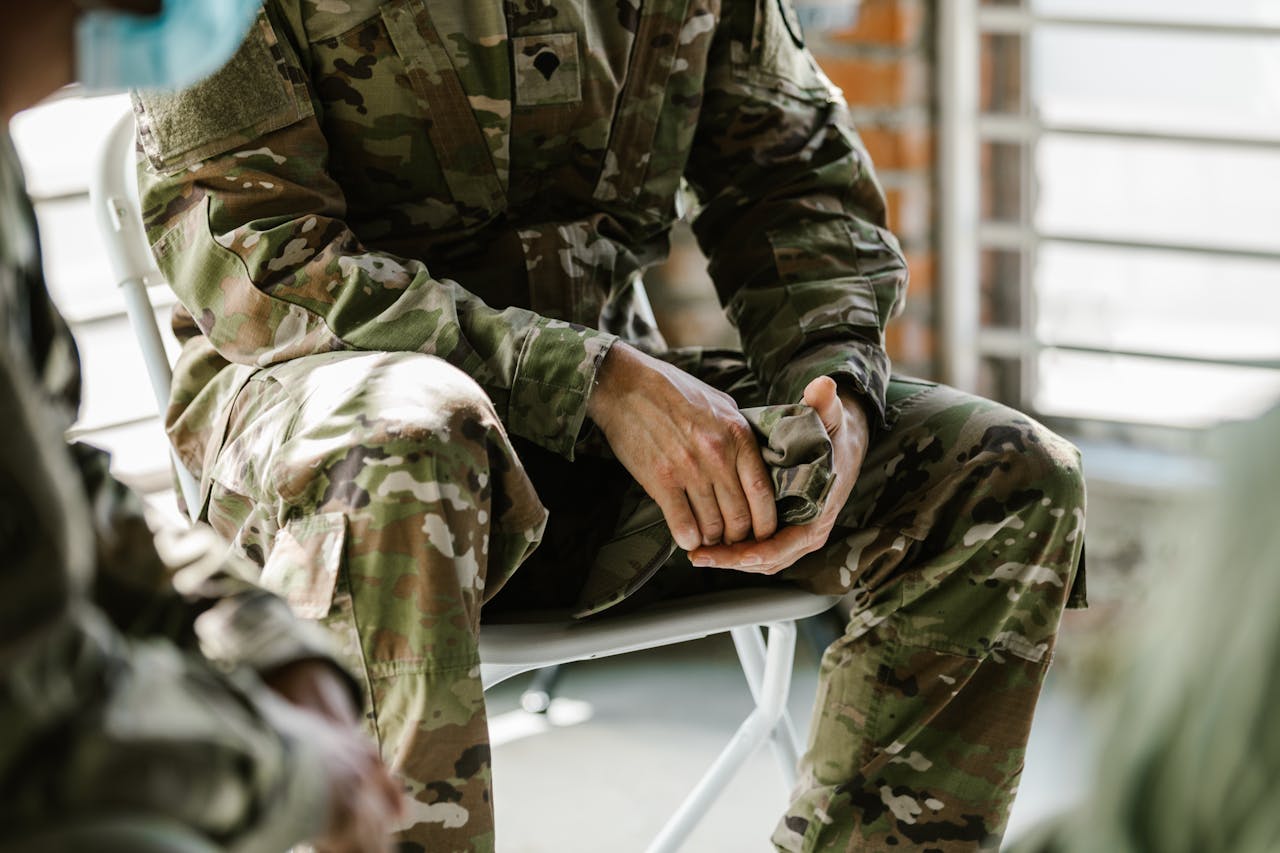
Modern warfare demands constant innovation, particularly in the realm of stealth and invisibility. Advanced camouflage technologies in tactical textile manufacturing have transformed military gear into sophisticated tools for survival. Key innovations such as IR-invisible threads and specialized military sewing thread are at the forefront of this evolution. These advancements ensure that combat personnel remain undetectable across various spectrums, enhancing their operational effectiveness. Additional research highlights that ir-invisible threads for military gear significantly enhance the concealment of modern military uniforms.
Ir-invisible threads: a game changer in camouflage
The development of IR-invisible threads is a significant leap forward in tactical textiles. Infrared (IR) detection has been a challenge for armed forces, as traditional fabrics often emit detectable heat signatures. These innovative threads are engineered to reduce or eliminate thermal signatures, making soldiers less visible to infrared sensors used by adversaries. By absorbing and dispersing heat energy, these materials prevent detection in both active combat zones and reconnaissance missions.
IR-invisible threads are crafted using advanced polymers and coatings that manipulate thermal emissions. They integrate seamlessly with existing fabric structures, ensuring durability without compromising on comfort or flexibility. This technology not only aids in evasion but also plays a crucial role during covert operations where stealth is paramount.
- Reduction in thermal signature ensures decreased visibility to enemies.
- Enhanced material durability supports long-term use in harsh environments.
- Improved operational safety through minimized detection risks.
The role of military sewing thread in tactical gear
Military sewing thread is another pivotal element in tactical textile manufacturing. Moreover, military sewing thread is critical for ensuring long-lasting durability under severe operational stresses. It must withstand extreme conditions while maintaining the integrity of the gear it holds together. These threads are designed to resist abrasion, UV exposure, and chemical degradation, ensuring that uniforms and equipment perform optimally over extended periods.
The composition of military sewing thread involves high-tenacity fibers like Kevlar or Nomex, which provide exceptional strength and resilience. In addition to physical robustness, some threads incorporate conductive materials capable of transmitting data or power across garments-an increasingly valuable feature for modern soldiers equipped with electronic devices.
This dual functionality transforms standard gear into smart systems that enhance situational awareness and communication capabilities on the battlefield. The integration of military sewing thread with cutting-edge textiles enables manufacturers to create adaptable solutions tailored to specific mission requirements.
The synergy between IR-invisible threads and advanced military sewing thread represents a paradigm shift in how tactical gear is designed and utilized. As threats evolve, so too does the need for more sophisticated methods of protection and concealment.
Conclusion
The evolution of advanced camouflage technologies marks a new era for tactical textile manufacturing. Innovations like IR-invisible threads and fortified military sewing thread are essential components that redefine stealth capabilities for modern armed forces. These developments not only enhance survivability but also offer strategic advantages by minimizing detectability across diverse operational landscapes. As research continues to push boundaries, the future promises even greater advancements that will further empower those who serve on the front lines.