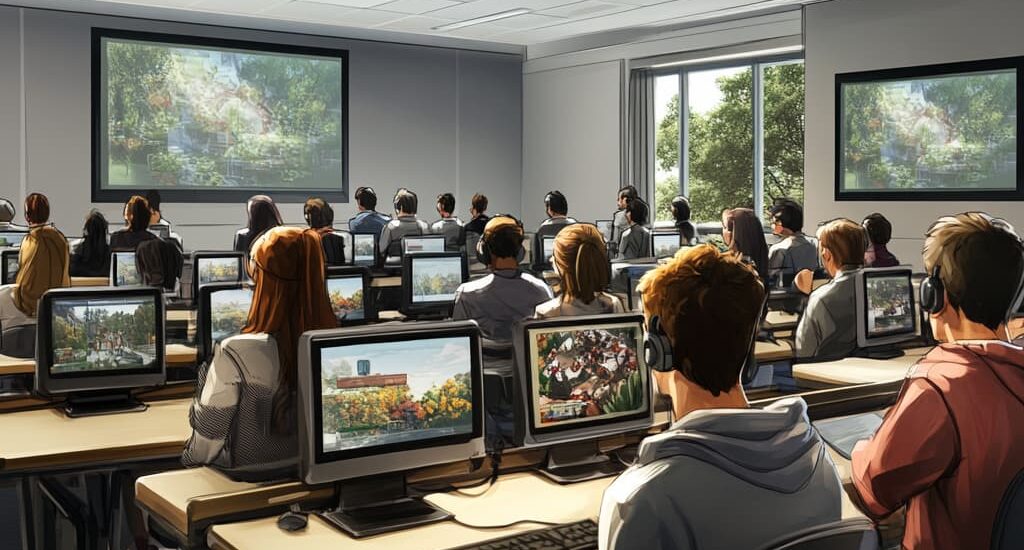
https://www.scbet88.com/ has evolved from a niche hobby into a full-fledged industry that touches every corner of modern life. Beyond the bright stadiums, roaring crowds, and prize pools, esports is quietly shaping education. Schools, colleges, and training centers are now using competitive gaming as a tool to teach real-world skills like teamwork, critical thinking, leadership, and digital literacy.
The surprising truth is that esports isn’t just entertainment—it’s a new way to learn.
Why Esports Works
Esports is built on systems, strategy, and continuous improvement. That structure makes it naturally educational. Unlike traditional learning methods, esports motivates students through competition, collaboration, and instant feedback. When a player loses, they don’t just feel defeated—they analyze, adapt, and improve.
That mindset is the foundation of modern education.
Skills Students Gain
Teamwork & Communication
Esports is rarely a solo activity. Team-based games require coordination, clear communication, and role discipline. Students learn to listen, plan, and execute under pressure—skills that translate directly into workplaces and group projects.
Critical Thinking
Every match involves constant decision-making. Players must analyze situations, anticipate opponents, and choose the best strategy. This trains the brain to think faster and more strategically.
Leadership & Strategy
Esports creates natural leaders. Team captains manage resources, assign roles, and make split-second decisions. These leadership lessons are highly valuable for real-life situations.
Technical Skills
Gaming demands familiarity with technology, software, and hardware. Students learn how to troubleshoot, optimize systems, and adapt to new tools—skills that are essential in today’s digital world.
Esports in Schools
Structured Programs
Many schools now offer esports clubs and varsity teams. These programs teach students not just how to play, but how to practice, analyze, and improve like professional athletes.
Scholarships & Opportunities
Esports scholarships are becoming more common. Universities recognize the potential of competitive gaming and offer financial support to skilled players, making esports a real pathway to higher education.
Career Pathways
Esports opens doors to careers beyond playing, including coaching, broadcasting, event management, marketing, and game design. Schools are now creating programs that prepare students for these fields.
How Esports Improves Learning
Motivation Through Competition
Students who struggle with traditional methods often find new motivation in esports. The competitive environment pushes them to set goals, work hard, and track progress.
Real-Time Feedback
Games provide instant results. Students immediately see what works and what doesn’t, encouraging a growth mindset. This makes learning faster and more effective.
Inclusive Learning
Esports is more accessible than many sports. Students with physical limitations or social anxiety can participate and thrive, creating a more inclusive educational environment.
Real-World Examples
High School Leagues
In the U.S. and around the world, high school esports leagues have exploded. Schools compete in organized tournaments, with structured seasons, coaching, and rankings—just like traditional sports.
University Programs
Universities now offer esports degrees and training programs. These programs combine gaming with business, media, and technology education, preparing students for careers in the esports ecosystem.
Corporate Training
Some companies use esports-style training for team building. Simulated gaming environments teach communication, strategy, and problem-solving in a fun and engaging way.
The Role of Educators
Coaches as Mentors
Esports coaches do more than teach gaming skills. They guide students in time management, mental health, and teamwork. This mentorship creates a supportive learning environment.
Curriculum Integration
Schools are integrating esports into STEM programs. Game design, coding, and digital arts are being taught through gaming, making education more relevant and exciting.
Balanced Approach
Educators focus on healthy gaming habits. Students learn time management, physical activity, and responsible screen time. This balance is crucial for long-term success.
Esports and Digital Literacy
Esports teaches students how to navigate the digital world responsibly. Players learn online etiquette, cyber safety, and how to manage their digital reputation. These are vital skills in today’s connected world.
Future of Esports Education
More Scholarships
As esports grows, scholarships will expand globally. Universities and private institutions will invest more in competitive gaming programs.
Stronger Curriculum
Esports will become part of formal education systems, especially in technology and business-focused programs.
Career-Focused Training
Training centers will offer specialized courses for esports careers, including coaching, event management, broadcasting, and game development.
Conclusion
Education through sbobet is not just a trend—it’s a revolution. Competitive gaming is reshaping how students learn, how schools teach, and how future careers are formed. Esports is proving that learning can be fast, fun, and deeply effective when it connects with real-world skills.
The future of education is evolving, and esports is leading the way.